Heritage / The Vilcerique Philosophy
The Beauty of Patina
On time, imperfection, memory and the quiet beauty of things worth keeping.
An Essay by Vilcerique
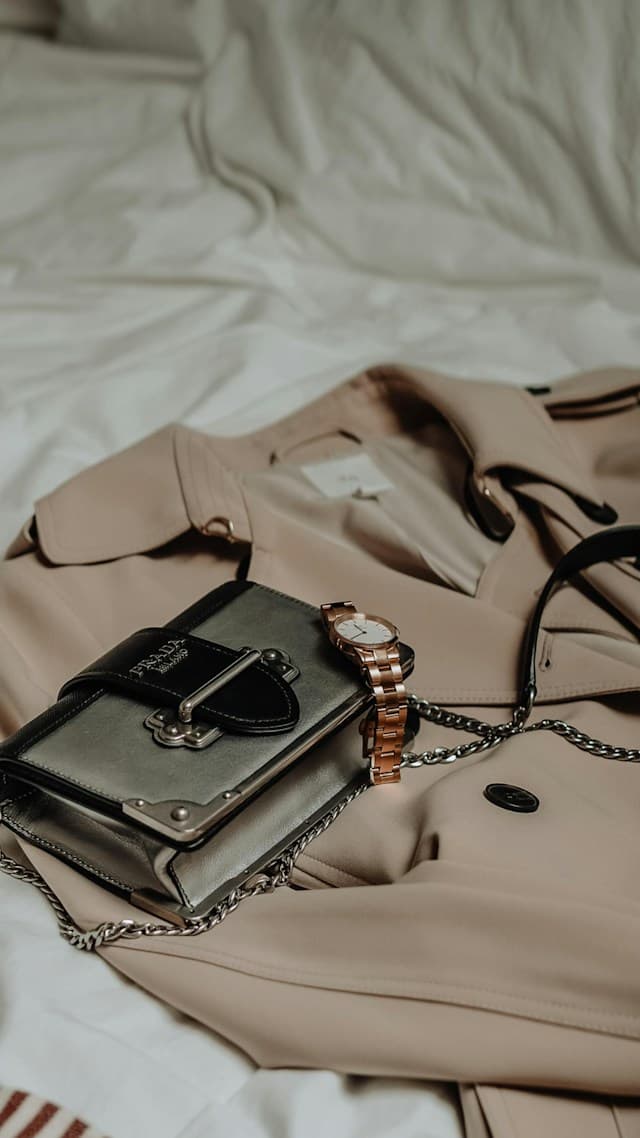
We have a curious relationship with age.
We admire old buildings, antique furniture, vintage watches and leather that has developed character through years of use.
We speak warmly of history, craftsmanship and the beauty of imperfection.
Yet when it comes to ourselves, we often regard the passing of time as something to resist.
We polish the old and conceal the ageing. We celebrate patina on objects while trying to erase it from people.
Perhaps we have misunderstood what makes something beautiful.
The Marks We Learn to Love
A new object arrives without a history. Its surface is unmarked, its edges precise, its possibilities almost unlimited. We admire it partly because nothing has happened to it yet.
Then life begins.
A leather bag softens where it is held. A wooden table acquires a small scratch. The brass handle of a familiar door grows brighter in the places touched most often.
At first, we may regard these changes as damage. Later, something curious can happen: the marks become part of what makes the object ours.
They are evidence that the object has participated in a life rather than merely occupied a shelf.
Not every scratch is beautiful. Not every worn object deserves preservation. But there is a particular kind of beauty that cannot exist without time.
It cannot be manufactured in advance, however convincingly a factory might try to imitate it.
Patina Is Not a Product
The word patina originally described the surface changes that develop on materials such as metal. Today it is used much more freely, especially in conversations about leather, furniture, watches and vintage clothing.
In the world of luxury, patina has become something of a selling point. New objects are sometimes distressed, faded or treated to suggest years of use they have never experienced.
There is an irony here.
We admire the character that comes from age, then attempt to purchase it without waiting.
But the attraction of an old object is not necessarily the appearance of wear itself. It may be the knowledge that the wear was earned.
A jacket that has accompanied someone through twenty winters carries a different meaning from a new jacket designed to look as though it has.
The difference is not always visible in a photograph.
It exists in the relationship between the object and the person who owns it.
Buildings That Remember
Walk through an old European city and you will encounter buildings that have survived several versions of the world.
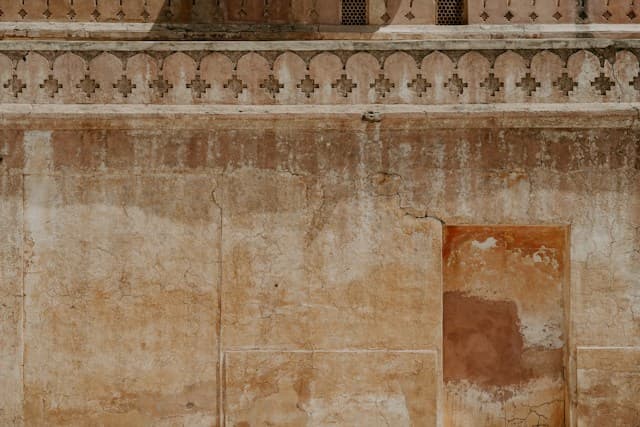
Their stone steps are worn in the middle. Their doorways have been repaired. Their facades reveal alterations made by people who are long gone.
They are rarely perfect.
And yet their imperfections are often precisely what makes them compelling.
A newly constructed building may be more efficient, more comfortable and better suited to contemporary life. Age alone is no guarantee of architectural quality.
Still, old buildings offer something that new ones cannot immediately possess: continuity.
They remind us that the present is only one chapter in a much longer story.
Perhaps this is why the most convincing restoration projects do not always attempt to erase every trace of age.
Sometimes the more respectful choice is to let a building show that it has lived.
The Human Face
Our attitude towards ageing becomes considerably less generous when the subject is ourselves.
We celebrate the weathered surface of an old leather chair while spending extraordinary amounts of time and money trying to prevent similar evidence of time from appearing on our faces.
The comparison is imperfect, of course. Human ageing involves health, identity, vulnerability and social expectations that have no equivalent in furniture.
But it exposes an interesting contradiction.
We are capable of recognising character in the ageing of almost everything except, sometimes, ourselves.
A face changes because a person has lived. It has laughed, worried, worked, rested and endured. Those experiences cannot be reduced to the lines they leave behind, but neither must every visible sign of age be treated as a failure.
There is dignity in looking like someone who has been here for a while.
That does not mean we must reject cosmetics, medicine or the simple pleasure of wanting to look our best.
It means that youth need not be our only definition of beauty.
Why We Keep Things
Most homes contain objects whose importance cannot be explained by their market value.
A chipped cup. An old photograph. A watch that no longer works. A coat that belonged to someone we loved.
To a stranger, these may be ordinary things.
To their owners, they can be irreplaceable.
Their value comes not from rarity in the commercial sense, but from the impossibility of reproducing their particular history.
A manufacturer could make an identical cup. It could not recreate the mornings on which the original was used.
This is one reason the language of luxury sometimes feels inadequate.
We speak of exclusivity, scarcity and exceptional craftsmanship. Yet some of our most treasured possessions are valuable for reasons that no luxury house could manufacture.
They matter because they connect us to people, places and moments that are no longer quite the same.
The Case for Repair
There was a time when repairing a possession was an ordinary part of owning it. Shoes were resoled. Clothes were altered. Furniture was restored. Watches were serviced rather than discarded.
Repair has never disappeared, but in many areas of modern consumer life, replacement has become the easier choice.
Sometimes replacement is sensible. A repair can cost more than an object is worth, and modern products are not always designed to be taken apart.
But the decision to repair can express something beyond financial calculation.
It suggests that an object remains worth our attention after its initial novelty has faded.
A repaired object may never look new again.
That is not necessarily a disadvantage.
A careful repair can preserve the qualities that made something worth keeping in the first place.
Perhaps the true measure of craftsmanship is not only how impressive an object appears on the day it is sold, but how well it can be cared for ten, twenty or fifty years later.
Not Everything Old Is Better
There is a danger in romanticising the past.
Old things can be badly made. Historic buildings can be uncomfortable. Vintage clothing can fall apart. Some traditions deserve to be abandoned rather than preserved.
Age is not a substitute for quality, just as price is not a substitute for taste.
Nor is every new object disposable or soulless. Contemporary designers and craftspeople create remarkable things, and many modern materials and techniques represent genuine improvements.
The point is not to prefer the old simply because it is old.
It is to recognise that newness is only one kind of appeal.
An object should be allowed to become familiar without becoming worthless.
And a person should be allowed to grow older without being measured entirely against a younger version of themselves.
The Things Worth Keeping
Perhaps our fascination with the new is partly a fascination with possibility.
A new purchase offers a fresh beginning. A different appearance. A small promise that life might become more interesting, more beautiful or more complete.
Sometimes that promise is fulfilled.
Often, though, the deeper pleasures arrive more slowly.
They come from use, familiarity, care and the quiet accumulation of memories.
The chair becomes the place where we read. The watch becomes the one we wore on an important day. The jacket becomes the one we reach for without thinking.
What was once merely an object becomes part of the scenery of a life.
That transformation cannot be rushed.
And perhaps that is the beauty of things that age.
They remind us that not everything becomes more valuable by remaining untouched.
Some things become beautiful because we have lived with them.
Subjects & Themes
Sources & Further Reading
This essay is an editorial reflection on age, material culture, craftsmanship and the meaning of objects. The following resources provide additional background and perspectives.
- Encyclopaedia Britannica — PatinaBackground on the meaning and formation of patina.
- The Repair AssociationFurther reading on repairability and the value of keeping products in use.
- UNESCO World Heritage CentreFurther reading on architectural heritage and conservation.
Image Credits
All four photographs are used under the Unsplash License. Editorial cropping may have been applied.
Handbag and watch on a trench coat
Photograph: Laura Chouette
Original image: View on Unsplash
License: Unsplash License.
Editorial cropping may have been applied.
Weathered doorway and wall at Amber Palace, Jaipur
Photograph: Annie Spratt
Original image: View on Unsplash
License: Unsplash License.
Editorial cropping may have been applied.
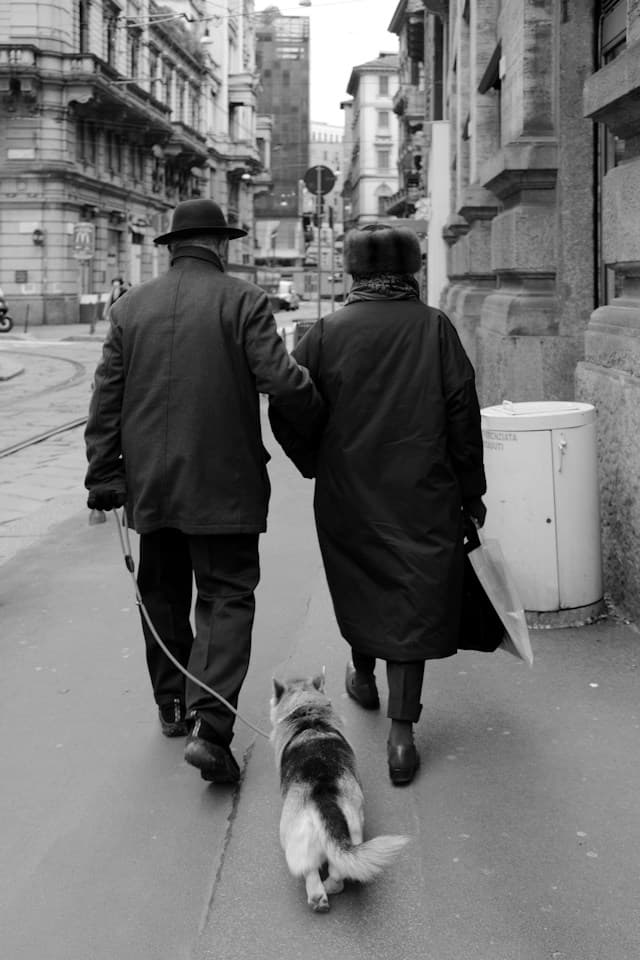
Street photograph in Milan, Italy
Photograph: Ilaria De Bona
Original image: View on Unsplash
License: Unsplash License.
Editorial cropping may have been applied.
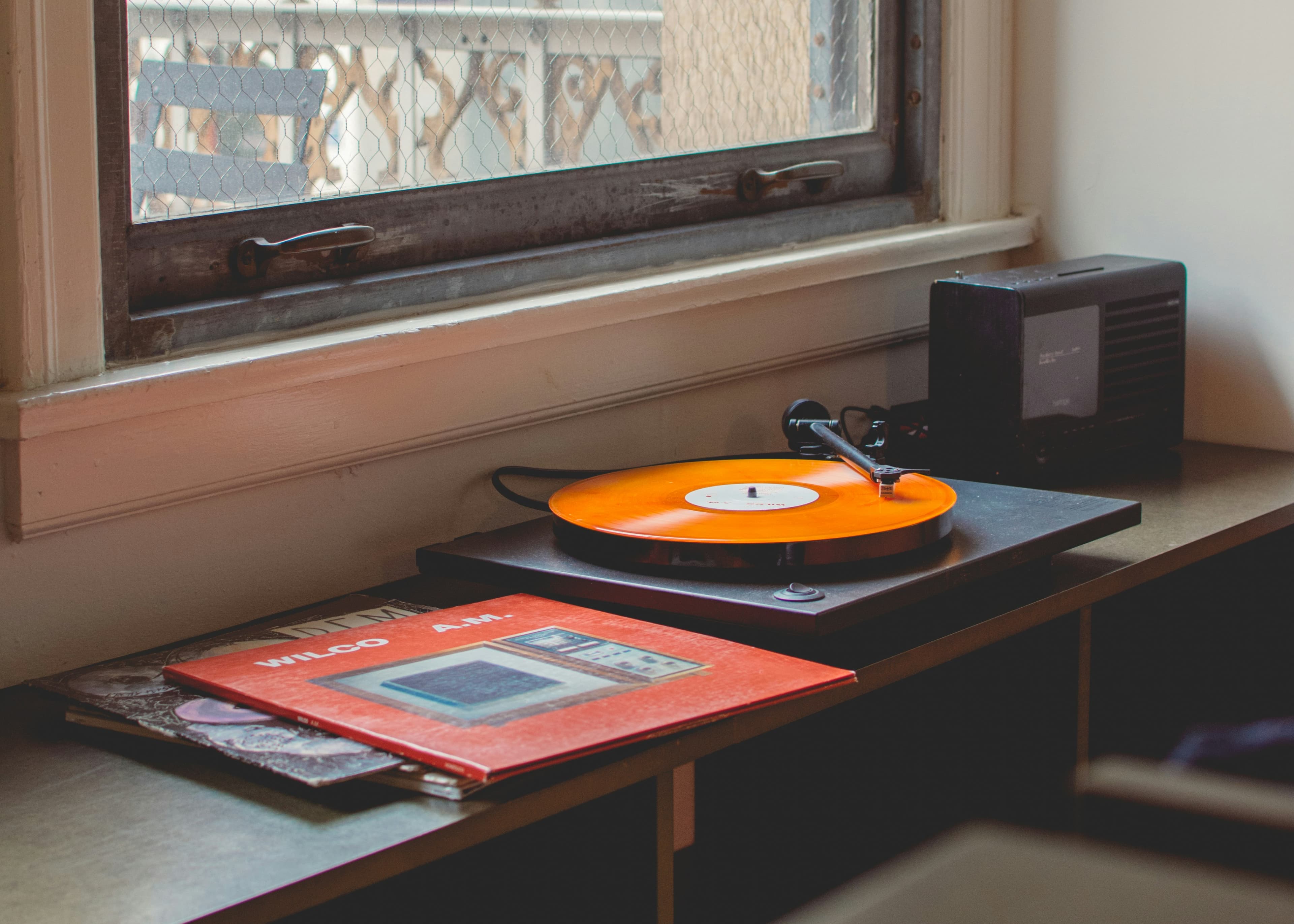
Turntable and records at Ace Hotel, Los Angeles
Photograph: Travis Yewell
Original image: View on Unsplash
License: Unsplash License.
Editorial cropping may have been applied.