Culture / The Opening Essay / No. 001
Why Do We Desire Luxury?
The curious relationship between what we own, what we want, and who we think we are.
An Essay by Vilcerique

There is something faintly absurd about luxury. We spend years learning to distinguish what we need from what we want, only to discover that a beautifully made watch, an impossibly soft leather bag or a particular shade of cashmere can make the distinction rather inconvenient.
A watch tells the time. A coat keeps us warm. A bag carries our belongings. These are perfectly sensible functions, and yet they explain remarkably little about why one example might cost fifty times more than another.
Perhaps the most interesting thing about luxury is not its price, but the extraordinary amount of meaning we are prepared to attach to an object.
We are not simply buying things. We are buying associations, memories, aspirations and, occasionally, a rather flattering version of ourselves.
The Language of Status
Human beings have always found ways to communicate status. Before the designer handbag and the limited edition wristwatch, there were elaborate garments, precious metals, ceremonial objects and houses designed to impress people who had already seen rather a lot.
The materials change. The instinct is surprisingly persistent.
In 1899, the economist and social critic Thorstein Veblen described what he called conspicuous consumption: the acquisition and display of expensive goods as a way of demonstrating social position. It was not necessary for an object to be especially useful. Indeed, its impracticality could sometimes strengthen the message.
A person who can afford something extravagantly unnecessary is communicating a particular kind of freedom. Whether anyone else is impressed is, of course, another matter.
Modern luxury houses understand the language of status exceptionally well. A distinctive silhouette, an instantly recognisable pattern or a carefully placed emblem can turn an ordinary object into a social signal.
Yet the story is more complicated than simply wanting other people to admire us. Some of the most meaningful luxury purchases are made for an audience of one.
The Pleasure of Knowing
Consider a beautifully finished mechanical watch. Most people who encounter it will never notice the movement, the polishing of its components or the hours devoted to details hidden beneath the dial.
Its owner might notice them every day.
There is a particular pleasure in knowing that something has been made with extraordinary care, even when that care is invisible to everyone else. A hand-finished seam, a carefully selected piece of leather or a movement assembled by a skilled watchmaker can offer a kind of private satisfaction.
This is one of the more persuasive arguments for luxury: not that an object announces wealth, but that it rewards attention.
A well-made object can invite us to look more closely, to understand how it was created and to appreciate the accumulated knowledge behind it. The pleasure lies as much in the story as in the possession.
Naturally, a high price is no guarantee of such qualities. Expensive things can be poorly made, just as inexpensive things can be remarkable. Price and craftsmanship are related only when the manufacturer has made them so.
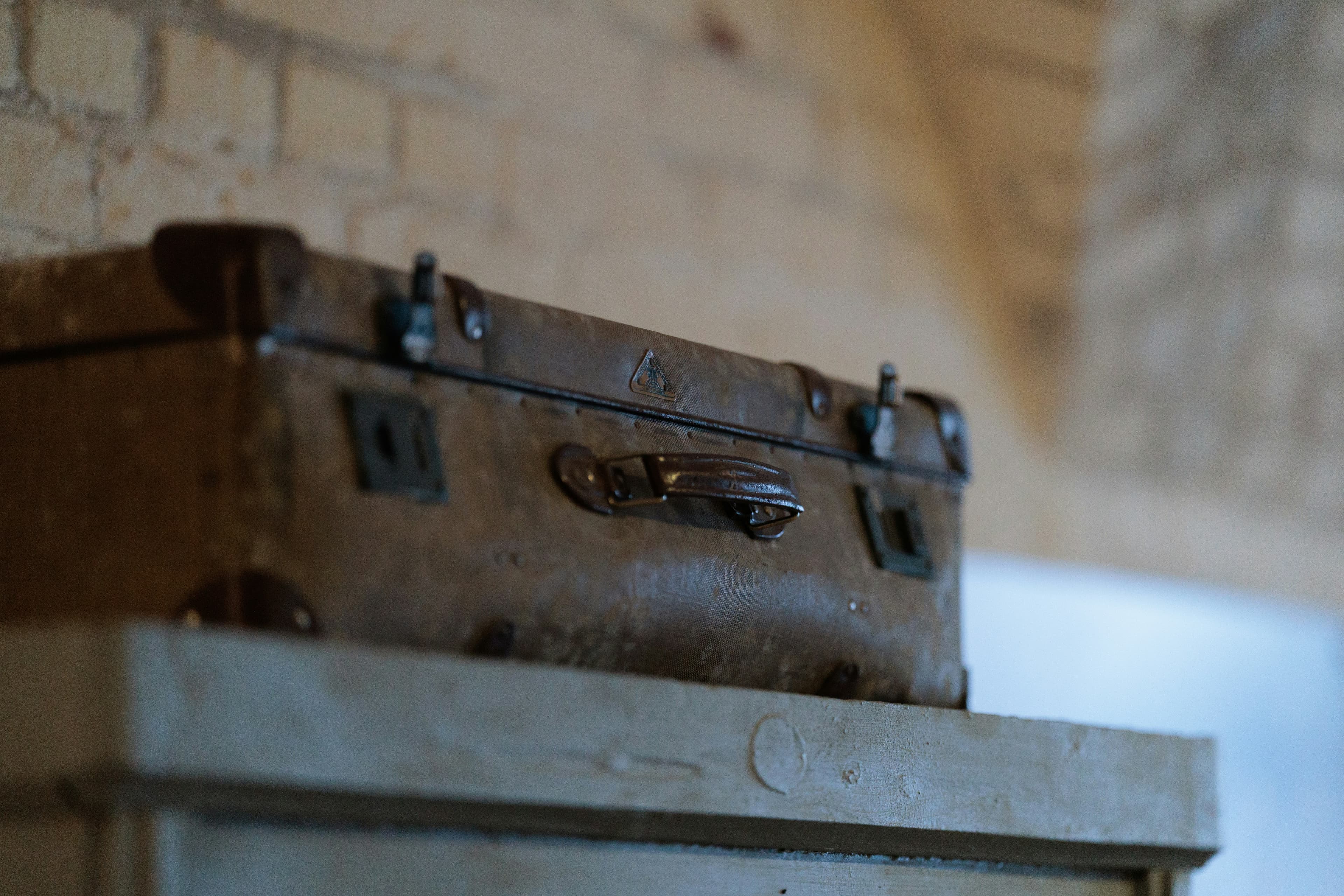
When Objects Become Personal
An old leather suitcase might be worth very little on the open market. It might also be the most treasured possession in someone's home.
Perhaps it belonged to a grandfather. Perhaps it accompanied its owner across continents. Perhaps the scratches and worn corners record a life that no pristine replacement could possibly reproduce.
The value of such an object cannot be explained by its materials or its original retail price. It exists somewhere between memory and meaning.
Luxury brands often try to borrow this emotional language. They speak of heritage, tradition, generations of expertise and objects that can be passed from parent to child.
Sometimes those claims are supported by genuine continuity and remarkable craftsmanship. Sometimes heritage is presented with rather more enthusiasm than historical precision.
The distinction matters. A good story can make an object more interesting, but a beautiful story should not exempt a brand from scrutiny.
The most compelling objects may be those that eventually escape their manufacturer's narrative altogether and acquire a history of their own.
The Curious Appeal of Scarcity
If something is difficult to obtain, we often find ourselves wanting it more.
Luxury businesses have long understood the commercial possibilities of scarcity. Limited production, waiting lists and selective distribution can make an object seem more desirable before we have even held it.
Some scarcity is real. A small workshop can produce only so many handmade objects. A rare material may genuinely be difficult to source. Exceptional craftsmanship takes time, and time cannot always be compressed without changing the result.
Other forms of scarcity are carefully managed. The difference is worth remembering whenever an object begins to feel less like a purchase and more like admission to an exclusive club.
The fascinating question is whether we would still want the same thing if it were available to absolutely everyone.
If the answer is no, perhaps we are not entirely in love with the object itself.
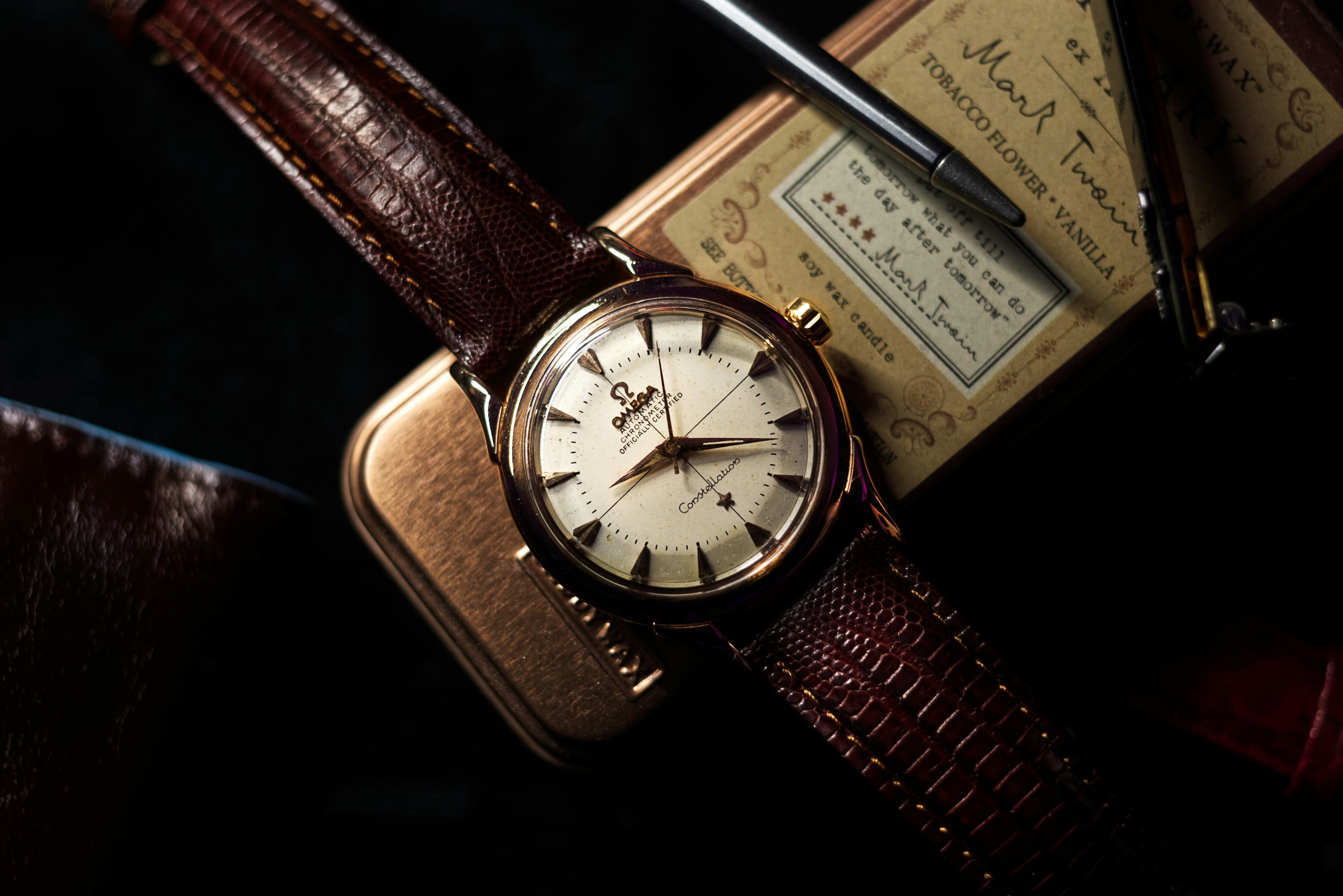
The Person We Hope to Become
Luxury also has a remarkable ability to attach itself to our imagined identities.
A particular jacket might suggest the confidence of someone who knows exactly where he is going. A certain handbag might evoke a life of effortless sophistication. A fine watch might represent success, independence or the arrival at a long-anticipated milestone.
The object becomes a small, tangible part of a much larger personal story.
Sociologist Pierre Bourdieu explored how taste and cultural preferences are connected to social distinction. Our choices do not merely express what we enjoy; they can also communicate the worlds to which we belong, or hope to belong.
That does not make every luxury purchase an exercise in insecurity. It simply reminds us that taste is rarely formed in complete isolation from society.
We admire certain people, absorb certain ideas of beauty and gradually develop preferences that feel entirely our own.
And sometimes they genuinely are.
The Problem with Getting What We Want
There is a familiar little drama in the acquisition of a coveted object.
First comes discovery. Then fascination. We examine photographs, compare versions, learn obscure details and imagine how satisfying ownership will feel.
Eventually, if circumstances permit, the object becomes ours.
For a while, it is wonderful.
Then something curious happens. The extraordinary becomes familiar. The object that occupied so much of our imagination quietly joins the furniture of everyday life.
Psychologists often describe this general tendency as hedonic adaptation: our ability to become accustomed to changes in our circumstances, including pleasant ones.
Luxury is particularly vulnerable to this phenomenon because anticipation can be such a substantial part of the experience.
The pleasure of wanting may, on occasion, prove more intense than the pleasure of having. An inconvenient discovery for anyone with a growing wish list.
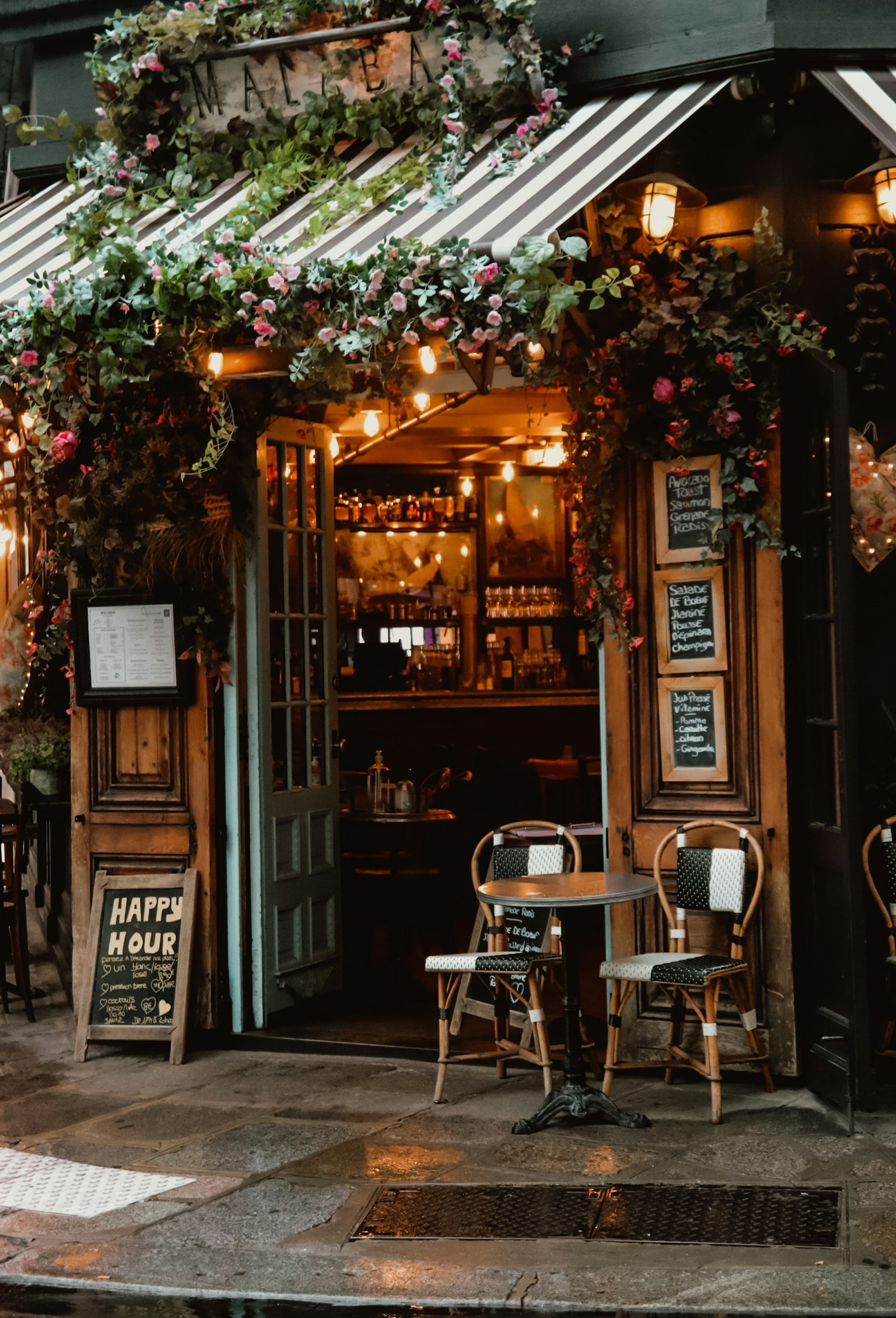
The Luxury of Having Enough
Perhaps this is where the meaning of luxury becomes most interesting.
We tend to associate it with abundance: more choice, more comfort, more expensive materials and more extraordinary experiences.
Yet some of life's most desirable conditions are defined by the absence of something. The absence of hurry. Of unnecessary obligations. Of noise. Of the feeling that we must constantly acquire something new.
An unhurried afternoon in a quiet café can be a luxury. So can a familiar jacket that fits perfectly, a watch inherited from someone we loved or a home filled with objects collected over many years.
None of these experiences necessarily requires a famous name.
There is also a difference between appreciating beautiful things and expecting them to transform our lives. A remarkable object can provide pleasure, but it cannot permanently supply confidence, belonging or contentment.
Those are rather demanding responsibilities to place upon a handbag.
So Why Do We Desire Luxury?
Because we are human, and human beings have never been satisfied with function alone.
We surround ourselves with symbols. We admire skill. We respond to beauty. We remember through objects, communicate through clothing and occasionally confuse exclusivity with excellence.
We want things because of what they are, what they represent and what we imagine they might say about us.
None of this means that luxury is inherently shallow. A beautiful object can enrich everyday life. Exceptional craftsmanship deserves appreciation. History and design are worth preserving.
But perhaps the most rewarding relationship with luxury begins when we can admire something without needing to own it, and own something without needing everyone else to admire us.
After all, the finest things in life are not always the most expensive.
Sometimes, they are simply the things we have learned to value.
Subjects & Themes
Sources & Further Reading
This essay draws on established ideas about consumption, taste and human motivation. The following works provide context and opportunities for further reading.
- Thorstein Veblen — The Theory of the Leisure ClassThe foundational 1899 work introducing the concept of conspicuous consumption.
- Pierre Bourdieu — DistinctionA sociological examination of taste, class and cultural distinction.
- Encyclopaedia Britannica — Maslow's Hierarchy of NeedsBackground on human motivation, belonging and esteem.
Image Credits
Photographs are used under the Unsplash License. Editorial cropping may have been applied.
Aerial photograph of a white yacht on calm waters
Photograph: nikldn
Original image: View on Unsplash
License: Unsplash License. Editorial cropping may have been applied.
Vintage suitcase resting on a shelf
Photograph: Alexandr Popadin
Original image: View on Unsplash
License: Unsplash License. Editorial cropping may have been applied.
Vintage wristwatch resting on a brown case
Photograph: Francesco Dondi
Original image: View on Unsplash
License: Unsplash License. Editorial cropping may have been applied.
Cafe de paris, Paris, France
Photograph: Celine Ylmz
Original image: View on Unsplash
License: Unsplash License. Editorial cropping may have been applied.