The Shape That Refused to Change
How the Porsche 911 became an enduring argument for evolution over reinvention.
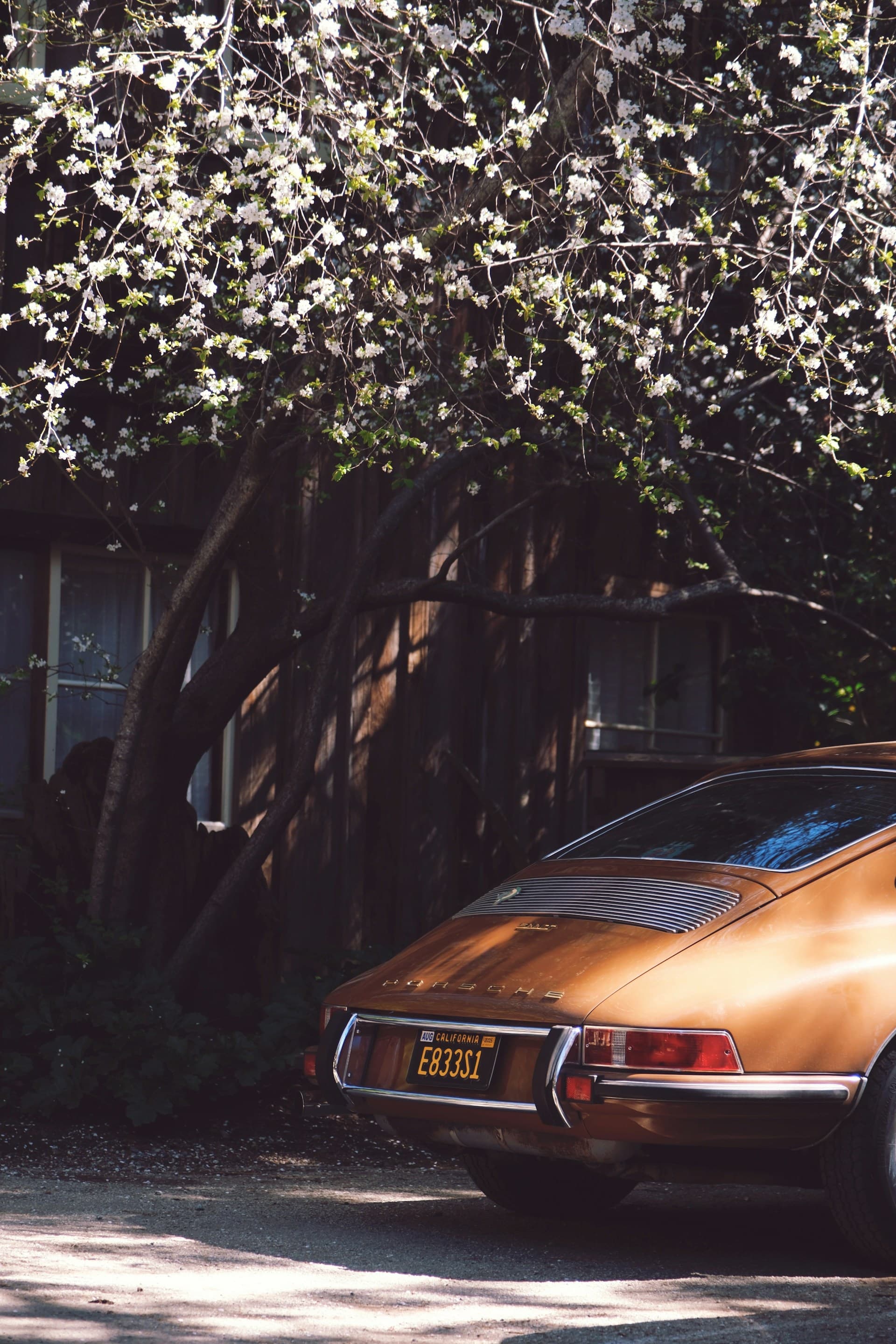
There are cars that belong unmistakably to their time. Their proportions, details and ambitions reveal the decade in which they were created. Then there is the Porsche 911, a car that seems to exist in a timeline of its own.
Place an early 911 beside a contemporary example and the differences are considerable. The technology, dimensions, safety systems and performance have changed almost beyond recognition. Yet the relationship is immediately visible. The roofline, the rounded front wings, the compact cabin and the distinctive rear-engine silhouette have survived more than six decades of automotive reinvention.
In an industry that regularly confuses novelty with progress, the 911 offers a different proposition: perhaps the most valuable thing a designer can do is recognise what should not change.
An Unusual Beginning
When Porsche introduced the 911 in 1963, it faced the difficult task of succeeding the much-loved 356. The new car needed to be more modern, more capable and more practical without abandoning the identity of the company.
Its design, developed under the direction of Ferdinand Alexander Porsche, achieved something remarkable. It established a visual language sufficiently distinctive to remain recognisable through generations of technological change.
The 911 was never entirely conventional. Its engine sat behind the rear axle, a configuration that presented both engineering challenges and advantages. The resulting weight distribution demanded a particular driving technique, especially in early models.
Rather than abandoning the concept, Porsche spent decades refining it.
This is part of what makes the 911 interesting. Its history is not simply a story of a perfect design. It is a story of engineers and designers repeatedly confronting the consequences of an original decision — and finding ways to make it work better.
The Value of Recognition
Luxury is often associated with exclusivity, but recognition can be just as powerful.
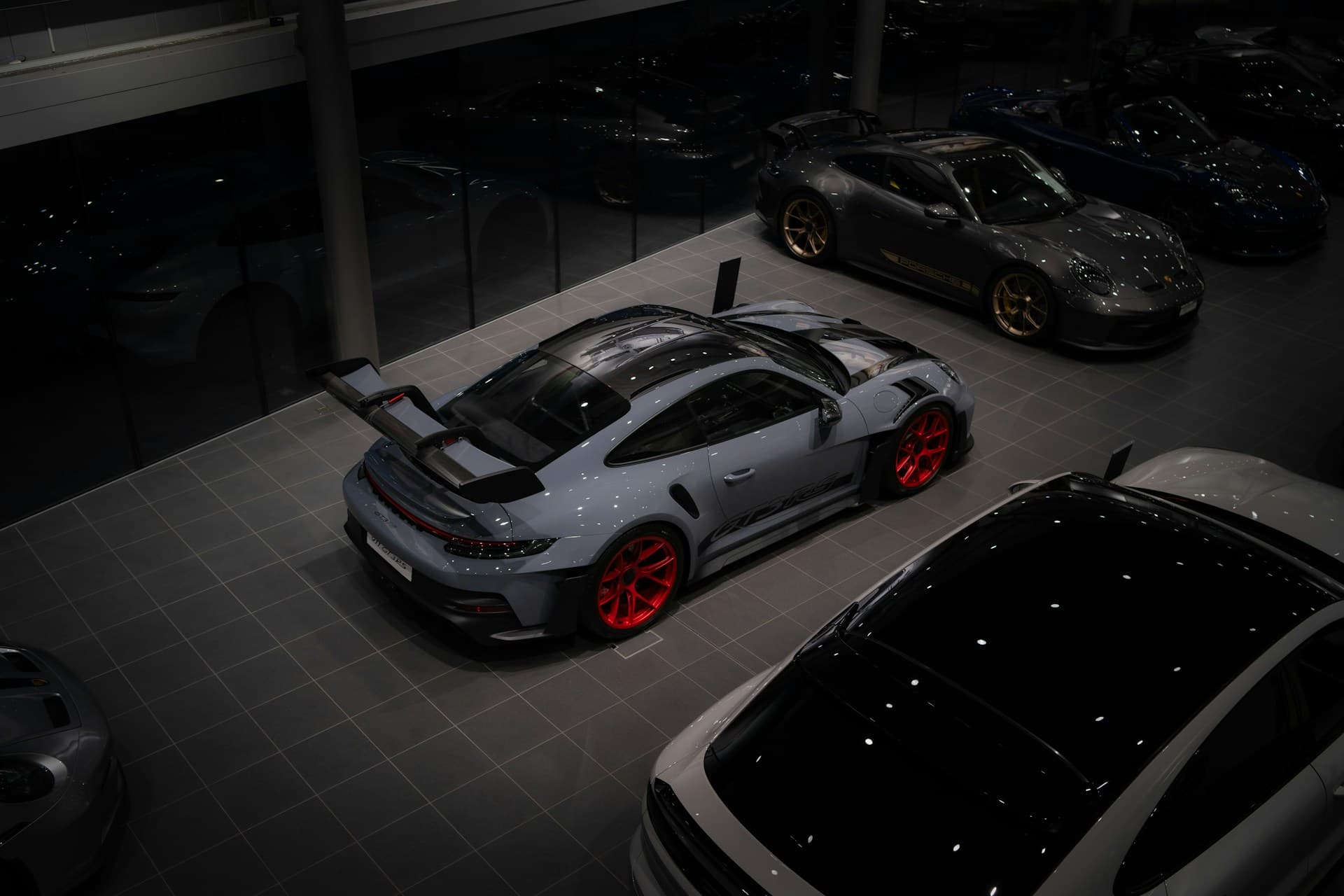
A 911 does not need an enormous grille or an elaborate ornament to announce itself. Its identity resides in the shape of the object.
That continuity has commercial value. It allows a car built decades ago to remain part of the same visual family as one leaving the factory today. It also creates an unusually coherent heritage for Porsche to draw upon.
Yet there is a distinction between authentic continuity and manufactured nostalgia.
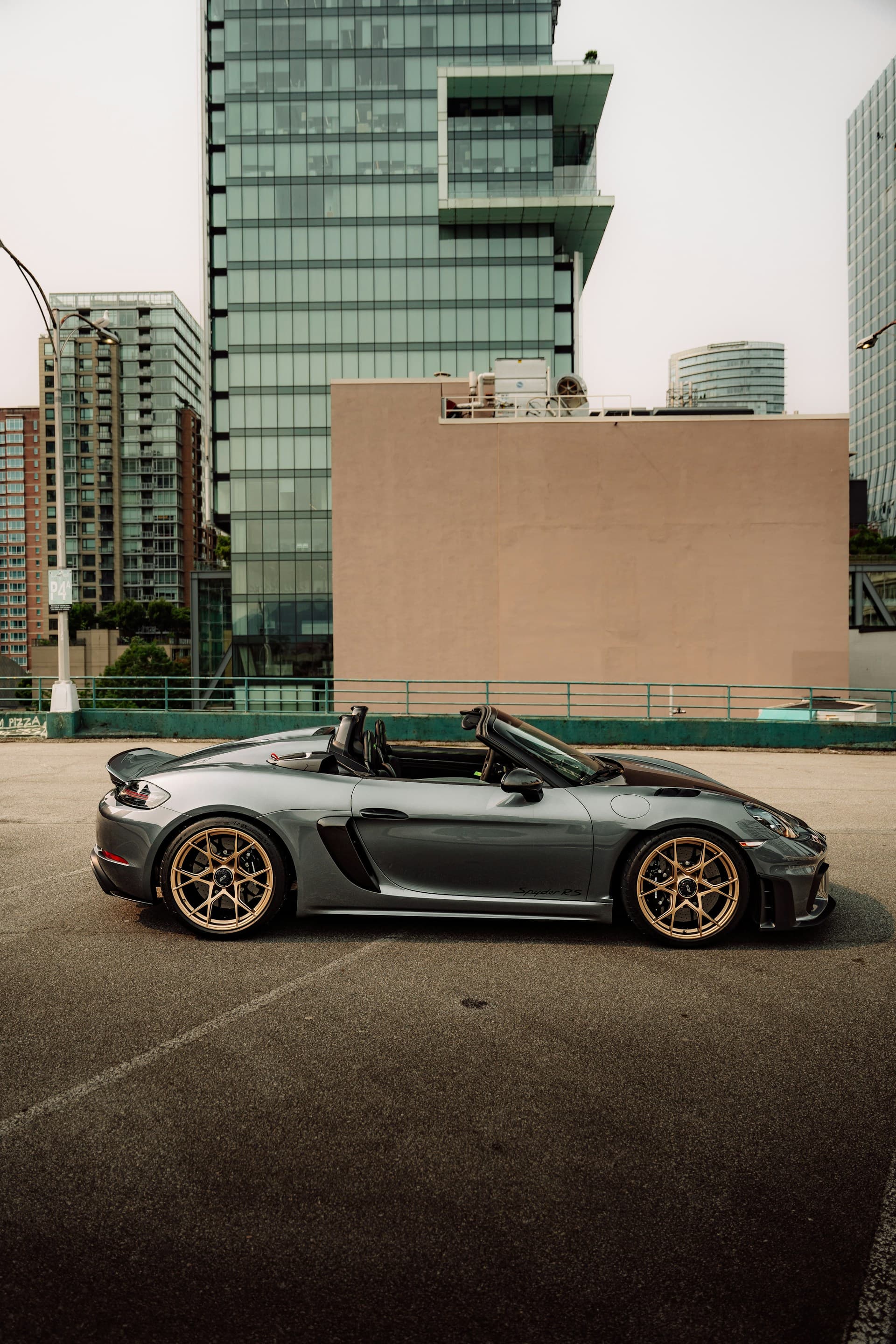
The 911 has not survived by remaining unchanged. Its dimensions have grown, its handling has evolved and its performance has moved into territory unimaginable to its original designers. Even its once-essential air-cooled engine disappeared from production after the 993 generation.
The car's success lies in the ability to change almost everything while preserving a recognisable idea.
When Age Becomes an Advantage
Some early 911s have become highly desirable collectors' cars. Their mechanical simplicity, comparatively modest dimensions and direct driving experience offer something that newer models cannot reproduce exactly.
But age alone does not create value.
An old Porsche may require expensive maintenance, specialist knowledge and considerable patience. Rust, accident repairs, mechanical condition and originality can matter more than an appealing photograph or an attractive model designation.
Nor is every 911 destined to appreciate financially. The market for classic cars moves through cycles, and ownership costs can consume much of any eventual increase in resale value.
The distinction matters because the language surrounding collectible cars frequently blurs enjoyment, status and investment.
A Porsche 911 can be a beautiful object, an engaging machine and an expensive hobby simultaneously.
Those qualities should not be confused.
A Design That Knows Itself
Perhaps the most interesting lesson of the 911 is not automotive at all.
Contemporary luxury brands often speak about heritage while continually reinventing their appearance. Porsche demonstrates that a coherent identity can be more valuable than an endless succession of new visual statements.
This requires restraint. It also requires confidence.
There have been countless opportunities to turn the 911 into something fundamentally different. Porsche has repeatedly chosen not to.
That decision has produced a car whose silhouette carries an extraordinary amount of cultural meaning.
The 911 is not beautiful because it has remained frozen in time. It is beautiful because its makers have understood that progress need not require forgetting.
And in a world increasingly obsessed with the next thing, there is something quietly luxurious about knowing what is worth keeping.