Audrey Hepburn: The Architecture of Elegance
On Givenchy, proportion and the discipline behind a seemingly simple style.
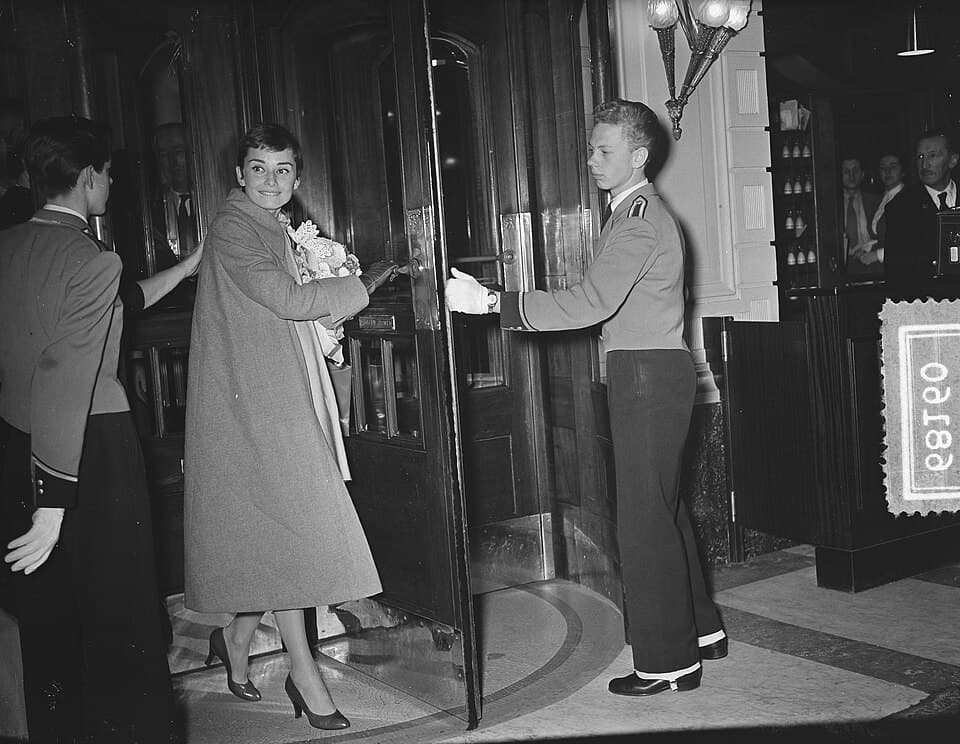

A black dress can be almost nothing: fabric, seams, an opening for the head and space for the body. It can also become one of the most recognizable images in the history of cinema. Audrey Hepburn understood, or at least embodied, the difference.
Her style is frequently described in the vocabulary of simplicity. A clean line, a narrow trouser, a flat shoe, a modest neckline. Yet simplicity can be deceptive. Remove ornament and everything else becomes more visible. Proportion matters more. The fall of the fabric matters more. The person wearing the clothes becomes impossible to ignore.
This is why Hepburn remains useful to a magazine concerned with lasting quality. Her appeal was not founded on accumulating more things. It was built around the relationship between clothes, movement and personality.
A silhouette with a life of its own
Hepburn's screen presence helped establish a visual vocabulary that survives well beyond the films in which it appeared. The little black dress, the cropped trouser, the elegant flat and the carefully framed face have been repeated so often that they can seem inevitable.
But no silhouette is inevitable. It is the product of a moment, a body, a designer and an audience. Hepburn's look stood apart from some of the more overtly voluptuous ideals of mid-century Hollywood. Its particular power came from precision rather than abundance.
What looks uncomplicated on screen often depends on exact choices. Where does a hem end? How much fabric is allowed to move? Is the neckline quiet enough to frame the face? These are design questions, not merely shopping questions.
The lesson is not that every woman should dress like Audrey Hepburn. It is that a small number of thoughtful decisions can carry more visual force than an excess of decorative ones.
Givenchy and the value of collaboration
Hepburn's long creative association with Hubert de Givenchy is central to the story. Their work together demonstrated what can happen when a designer understands not only a client's measurements but also the image and movement that the clothes need to support.
Fashion histories often celebrate the genius of a single creator. The Hepburn–Givenchy partnership reminds us that elegance can emerge through collaboration. The designer brought craft and a refined eye. The actor brought a distinct presence, preferences and the demands of performance. Together they created images that continue to shape expectations of sophistication.
The word 'iconic' is used too freely in luxury marketing, but in this case it has substance. The clothes are remembered because they were part of scenes, gestures and characters. They were not simply photographed as merchandise. They participated in stories.
That does not mean every garment associated with Hepburn was a masterpiece, or that a modern item inspired by her style inherits the same quality. The history is a source of inspiration, not a transferable certificate of excellence.


The difficulty of looking simple
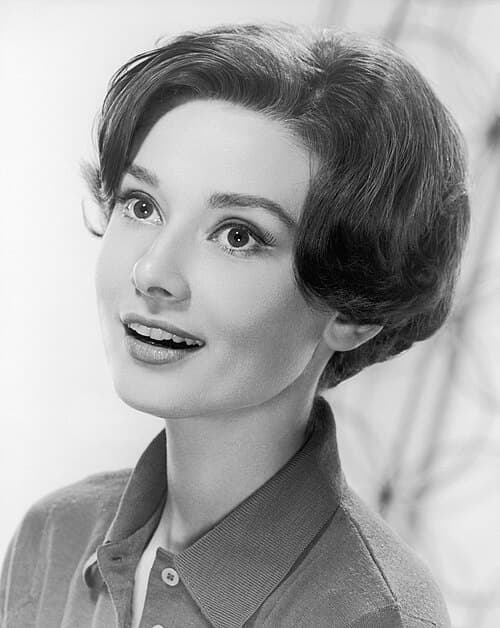
Minimalism is sometimes sold as a cheap route to elegance: buy fewer pieces, choose black and beige, avoid logos. In practice, a quiet wardrobe can be demanding. When there is little ornament, fit and fabric become conspicuous. A poorly cut jacket has nowhere to hide.
This is where the discussion becomes useful for buyers. A garment does not need to be expensive to have good proportions. Conversely, a famous label cannot rescue a shape that is wrong for the wearer. The right alteration may improve an outfit more than an expensive replacement.
Hepburn's style also reminds us that comfort and elegance need not be enemies. Flat shoes and relaxed movement can create a kind of poise that a more imposing outfit might prevent. There is luxury in feeling at ease, particularly when the clothes allow the wearer to forget them.
Of course, photographs are selective. They preserve the successful moments and leave ordinary days outside the frame. The enduring image of Hepburn is a cultural construction as well as a record of a real person. We should admire it without confusing it for the entirety of her life.


More than a wardrobe
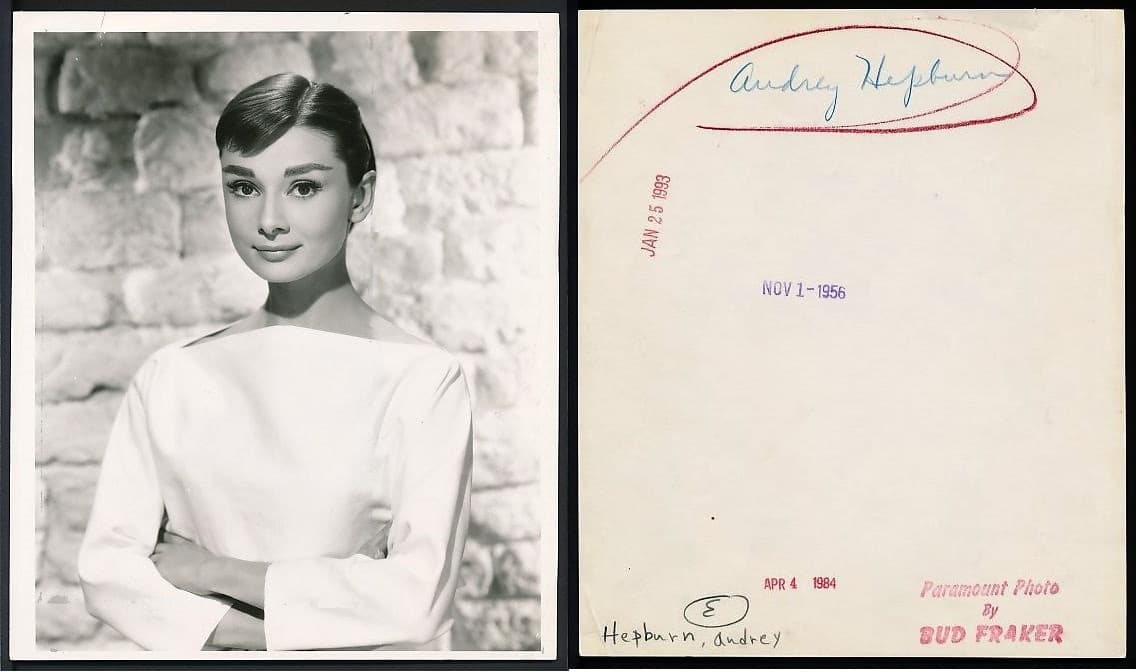
Hepburn's public life extended beyond cinema and fashion, notably through her later humanitarian work with UNICEF. That part of her story matters because it resists the tendency to flatten people into aesthetic references. An icon is not a mannequin, however often the fashion industry treats one as such.
Her legacy also raises a question about the relationship between beauty and character. It is tempting to say that elegance comes from kindness, discipline or integrity. Such claims are attractive but difficult to prove from photographs. What we can say is that the public meaning of Hepburn's image changed as audiences came to know more of her life. The clothes remained, but they were not the whole story.
This complexity should make the style more interesting, not less. The point of a cultural icon is not to provide a perfect template. It is to reveal how a person can influence the way generations imagine beauty.
An enduring idea of enough
Luxury marketing is often built on the promise of the next thing. A new collection, a new shape, a new reason to replace what already works. Hepburn's best-known images suggest another pleasure: the satisfaction of a form that feels resolved.
There is no need to pretend that fashion stops changing or that the same black dress suits everyone. What survives is the principle of proportion, clarity and personal coherence. An outfit can be complete without announcing every part of itself.
The most useful question to take from Hepburn is not 'What would Audrey wear?' It is 'What could I remove without losing what makes this mine?'
Sometimes the answer is nothing. Sometimes it is the expensive accessory that was meant to make the outfit special. Elegance is not a price category. It is the rare feeling that everything is exactly where it belongs.