The Sunglasses That Refused to Disappear
How the Ray-Ban Wayfarer became an enduring design — and why fame is no substitute for a good fit.
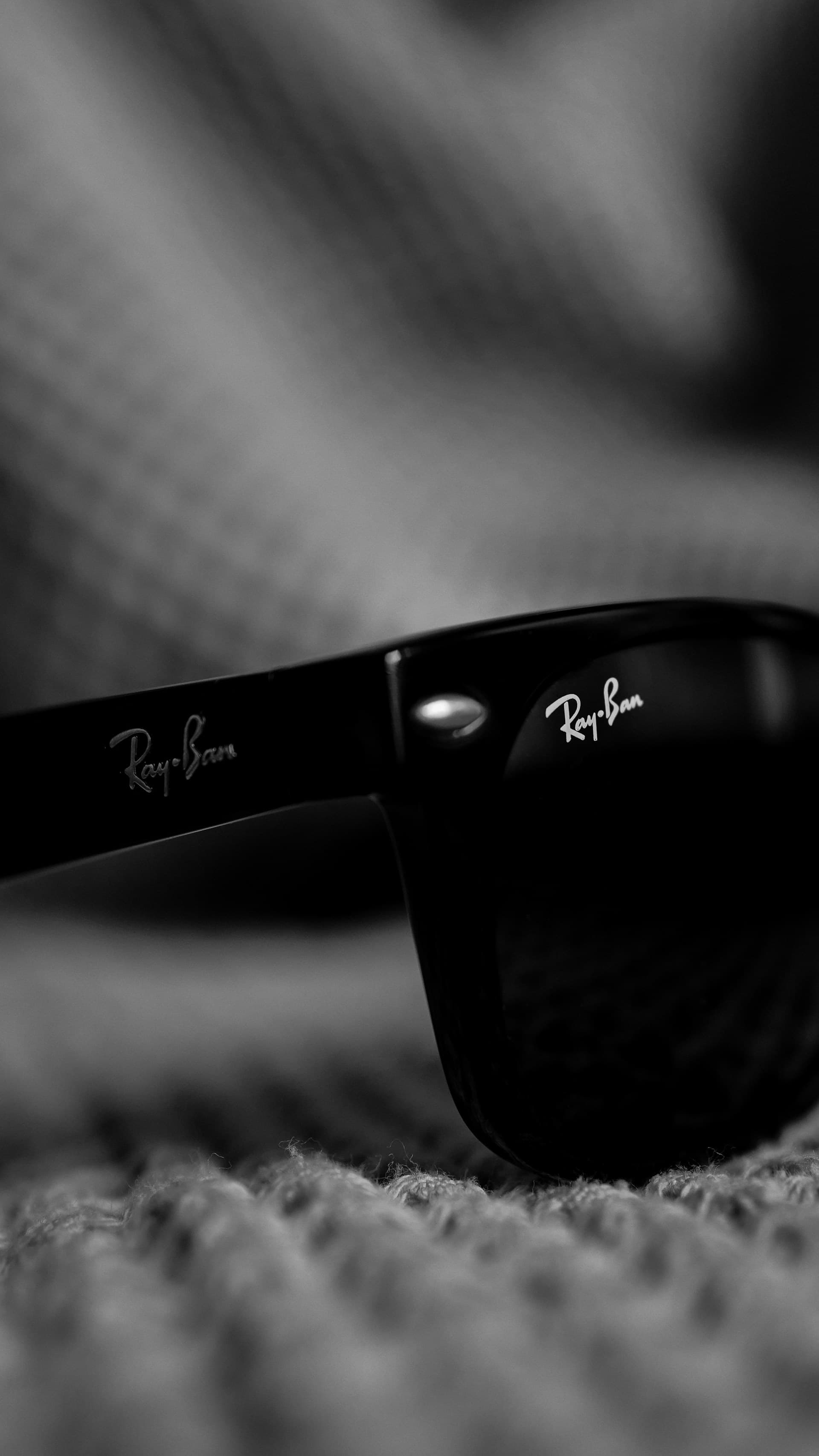
Some designs survive by changing constantly. Others survive because the world changes around them.
The Ray-Ban Wayfarer belongs to the second group. Its thick frame, assertive brow line and recognisable silhouette have passed through decades of fashion without losing their identity. It has been fashionable, unfashionable and fashionable again, sometimes within the span of a single generation.
That persistence is more interesting than any individual celebrity photograph.
A frame with an attitude
Introduced in the 1950s, the Wayfarer offered a distinctive alternative to the delicate metal frames and conservative shapes associated with earlier eyewear. Its substantial plastic frame looked modern and confident. It could appear intellectual, rebellious or effortlessly casual depending on the face behind it.
The design became embedded in popular culture through film, music and countless public appearances. Those associations helped sell sunglasses, certainly, but they also demonstrated the frame's unusual flexibility. It could belong to very different personalities without becoming unrecognisable.
That is one mark of enduring design: the object retains its character while leaving space for the person using it.
Original and new are not the same
The name Wayfarer now covers different models and variations. Frame geometry, size, lens options and fit can differ considerably. The Original Wayfarer and the New Wayfarer should not be treated as identical products simply because they share a famous name.
This matters in practice. A frame that looks wonderful in a campaign photograph may sit poorly on a particular nose, press behind the ears or touch the cheeks. The tilt of the lenses can affect both appearance and comfort.
A good pair of sunglasses must first be wearable. Try them on, move your head and pay attention to where the frame rests. The most iconic design in the world is of limited use if it becomes uncomfortable after twenty minutes.
The question of protection
Style is only half the job. Sunglasses should provide appropriate ultraviolet protection, and buyers should check the relevant lens markings and specifications. Dark lenses alone do not establish adequate UV protection. Polarisation can reduce certain forms of glare, but it is a separate feature from UV filtering and may not suit every activity.
Lens quality, optical clarity and suitability for driving or sport deserve more attention than celebrity associations. A famous frame is not a substitute for choosing the right lenses.
The practical side of sunglasses is also about durability. Hinges, frame material and replacement options affect whether a pair becomes a long-term companion or another short-lived accessory.
Why the Wayfarer survives
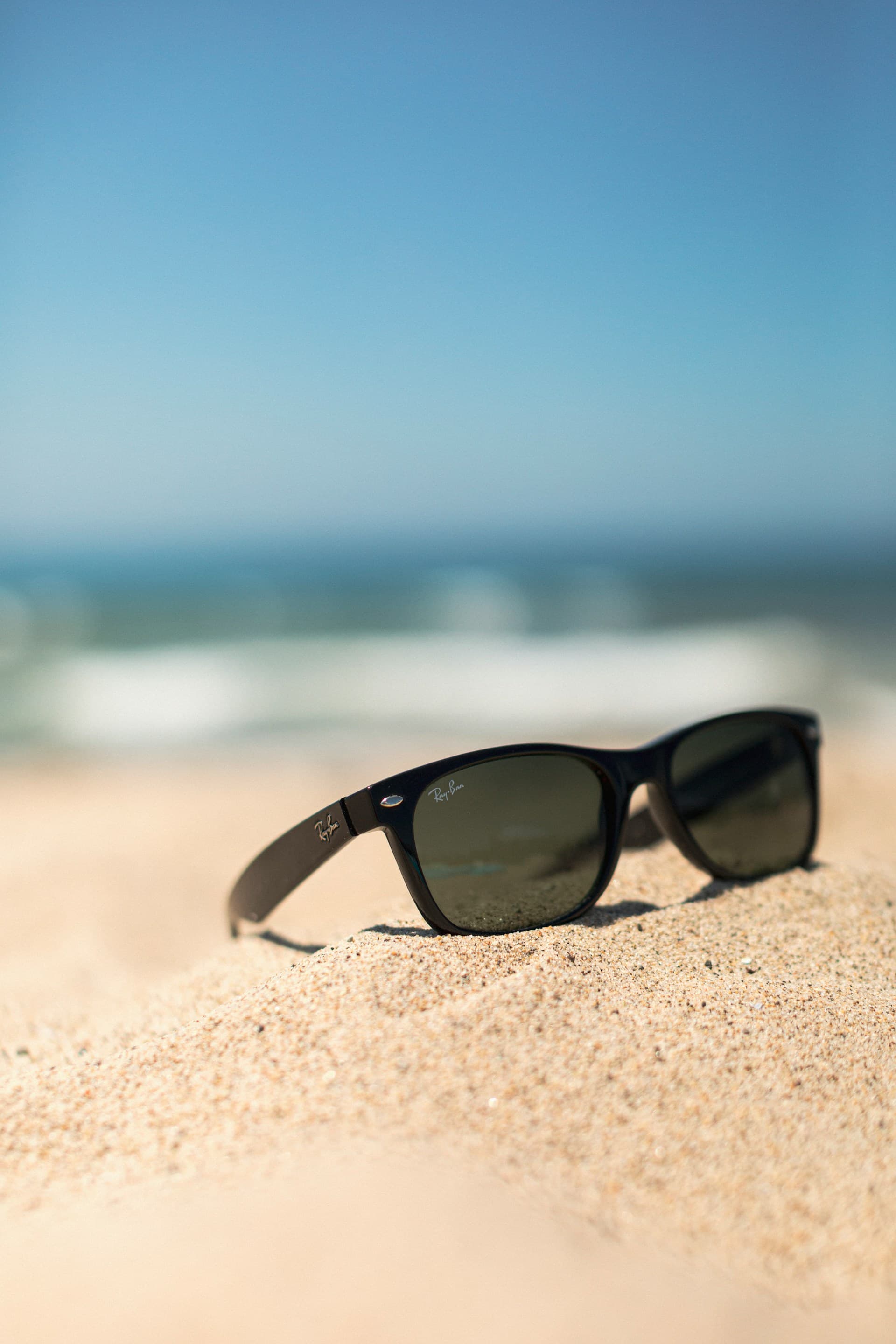
The Wayfarer's silhouette strikes a useful balance. It is distinctive enough to be recognised and simple enough not to belong exclusively to one trend. Unlike novelty eyewear, it does not depend on surprise.
This is not to say it suits everyone. Some faces benefit from a lighter frame, a different bridge or a more curved shape. Good design does not require universal compatibility.
But the Wayfarer has something that many expensive accessories lack: an identity independent of its latest advertising campaign. It can look right with a T-shirt, a suit or a weathered leather jacket.
The luxury of familiarity
There is a peculiar satisfaction in owning an object that has no need to explain itself. A familiar pair of sunglasses can become part of the way a person moves through the world. The scratches and minor marks that accumulate over time are evidence of use rather than immediate reasons for replacement.
That may be the Wayfarer's strongest claim to lasting relevance. It does not ask us to reinvent our style every season. It offers a stable design against which our own lives can change.
Fashion loves novelty. The Wayfarer has made a career of declining the invitation.